

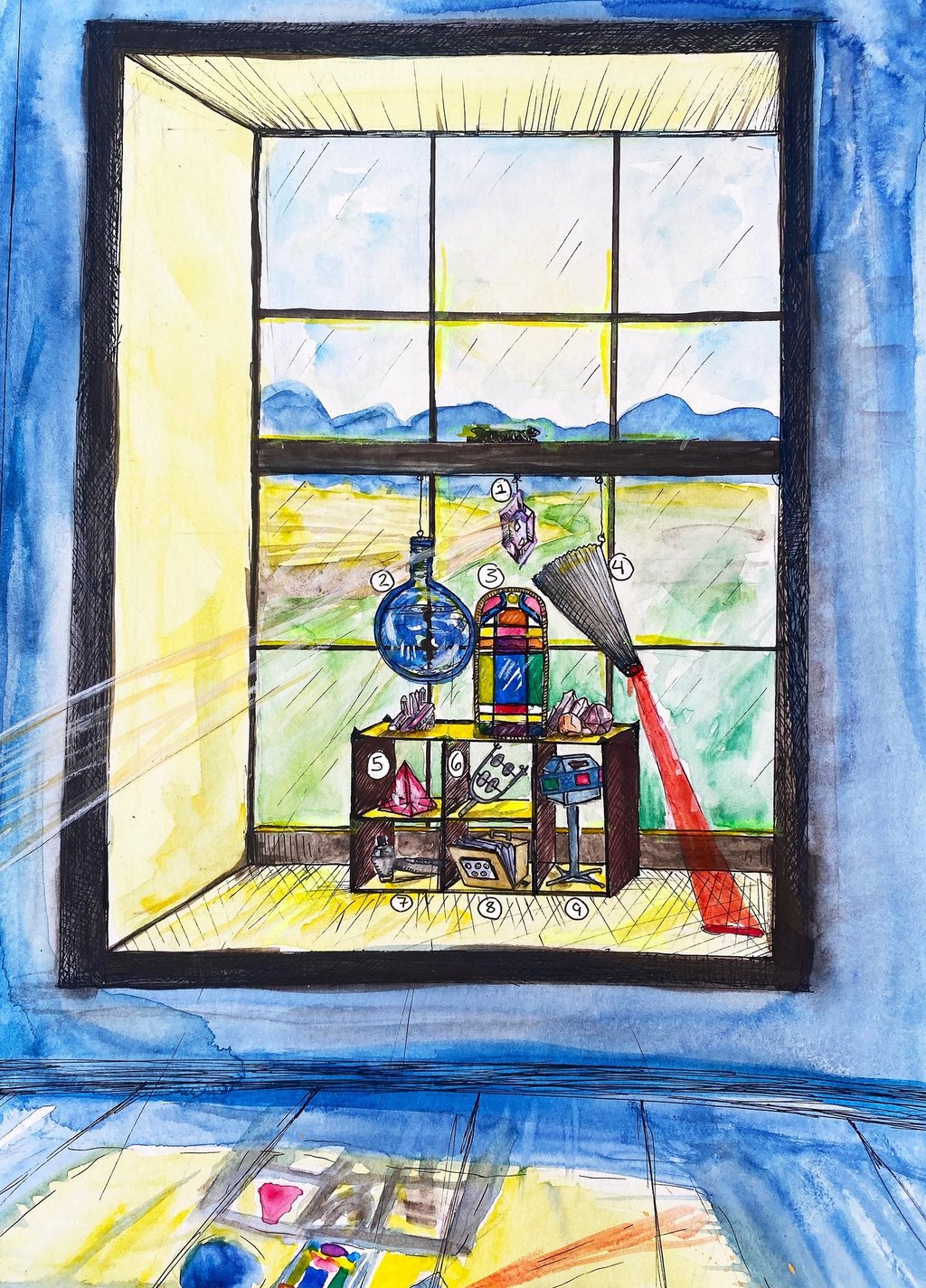
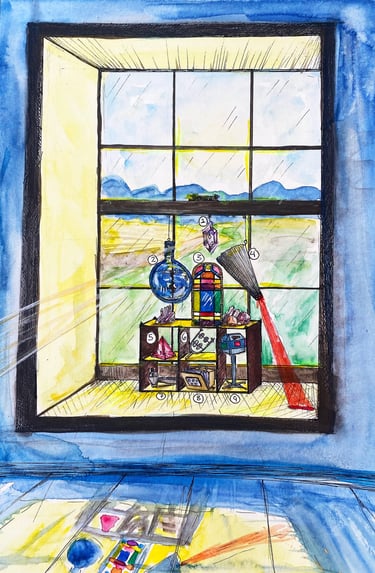
A Cabinet of Curiosities featuring items used in color & sound therapy



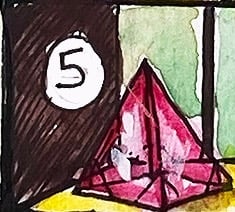
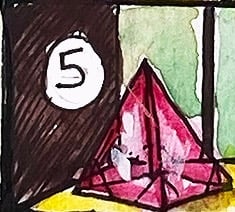


crystal prism
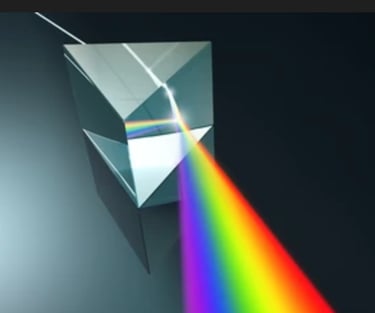
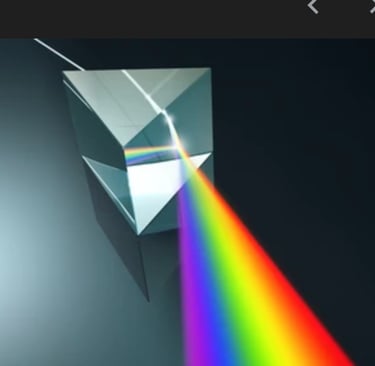
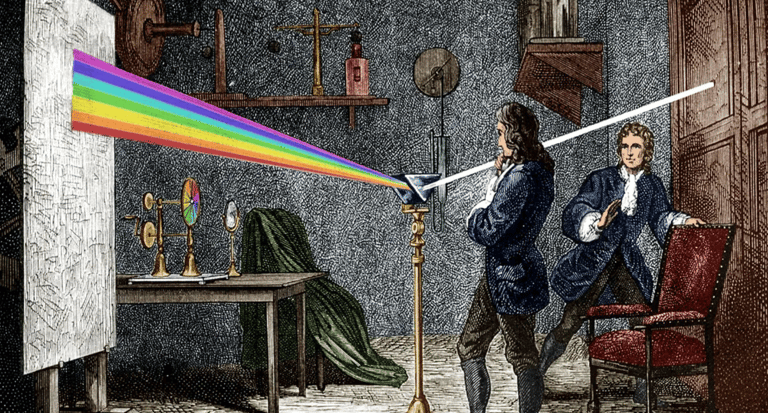
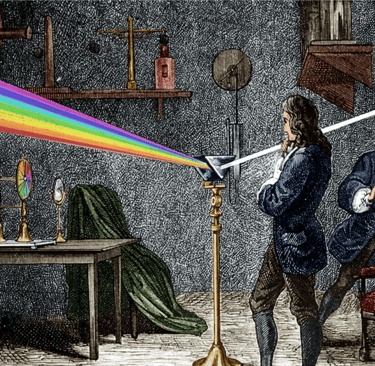
The crystal prism is based off of Isaac Newton's experiments where he observed how light refracted as it passed through a crystal under specific angles of sunlight. He noted the visible color spectrum, seen as a rainbow.
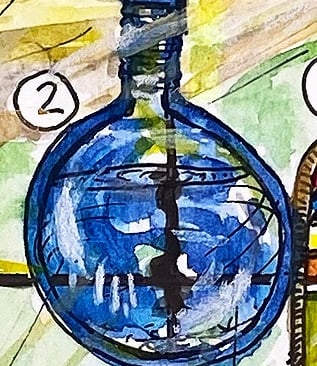
chromolens
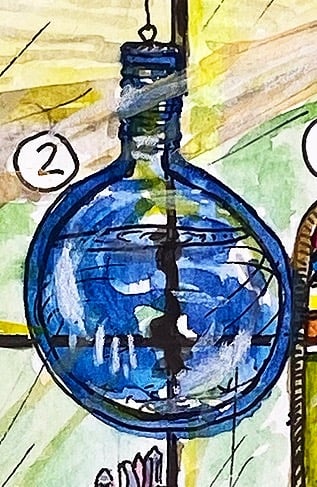
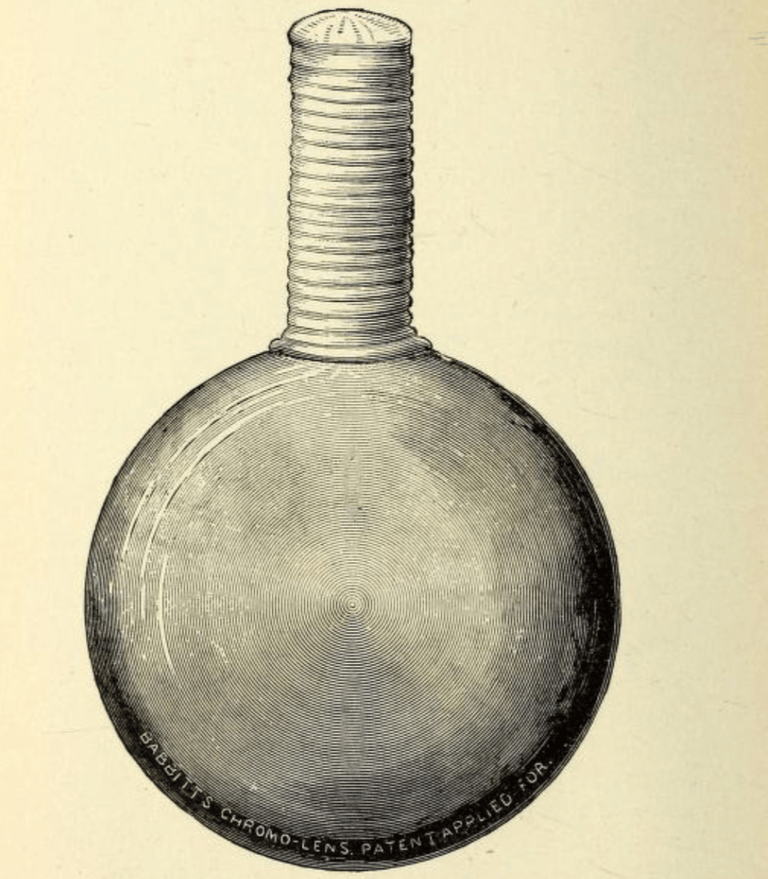
The chromolens is a hollow glass lightbulb-like object with a long neck with a sphere on the bottom, looking something like a vintage laboratory beaker, made of “crystal grade” glass.
There are two ways to use the chromolens, the first is to hang the chromolens:
1) in direct sunlight filled with water and to then aim the refracted colored light onto a certain part of the body.
2) Let the hanging chromolens filled with water charge in the sunlight for a certain amount of time, and then drink the color-charged water in prescribed doses depending on the ailment.
For the chromolens, chromodisc and chromolume, Babbitt has specific recipes for colored light remedies for each device.
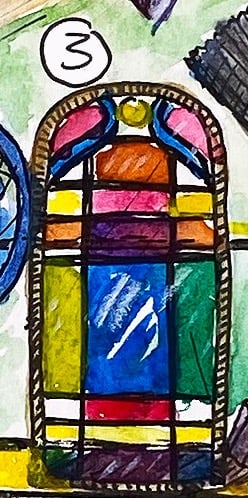
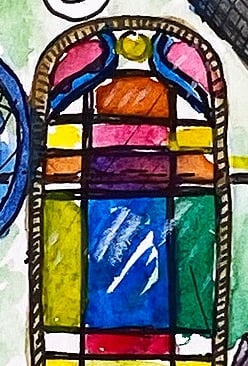
chromalume
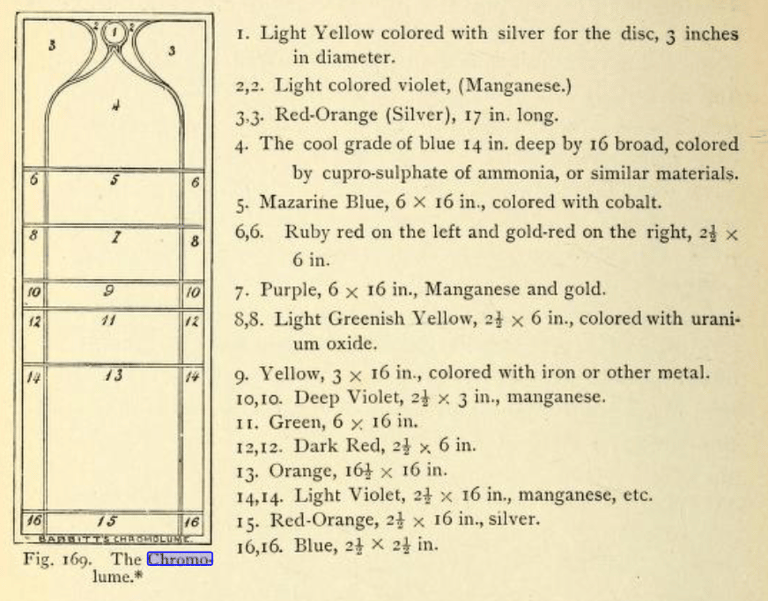
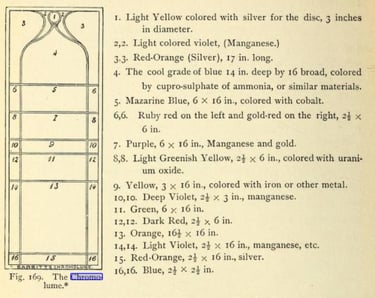
The chromolume is a device that is essentially a large piece of stained glass designed with certain colors in mind. It is to be hung in front of a window with bright sunlight and the patient is directed to sit under the colored light that filtered from the sun through the chromolume.
Babbitt aligned colors to parts of the body, associating certain attributes with certain colors, such as the head is associated with blue & indigo noting a calming effect, or yellow and purple projected upon the small of the lower back to stimulate the kidneys. This device is meant to “cover the entire system at once” and doesn’t target a specific area.
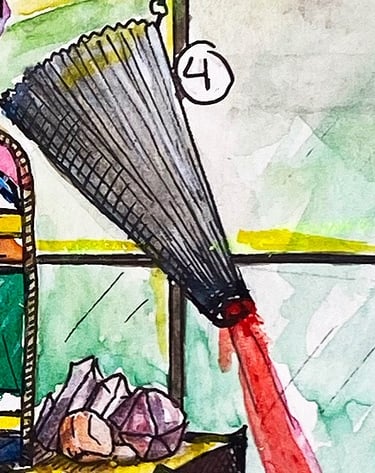
chromodisc
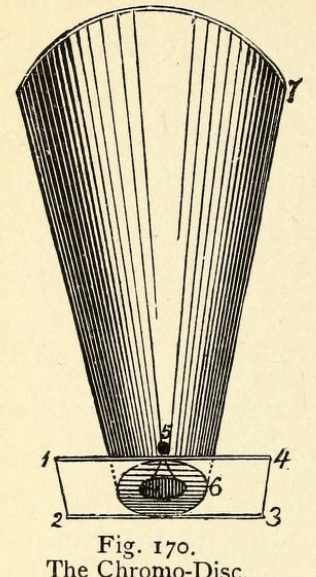
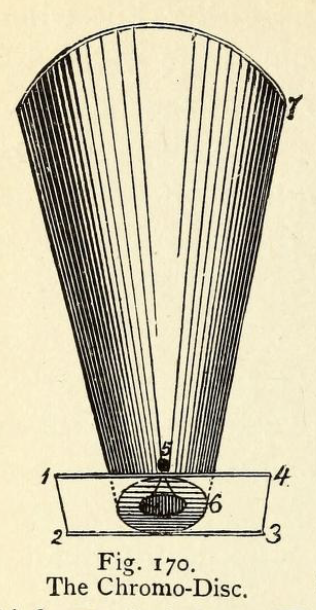
The chromodisc is Babbitt’s portable chromotherapy device and is designed to target a specific area.
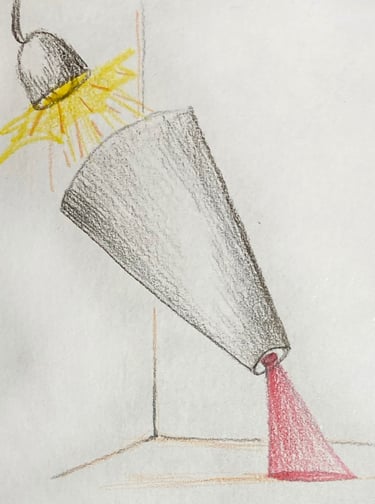
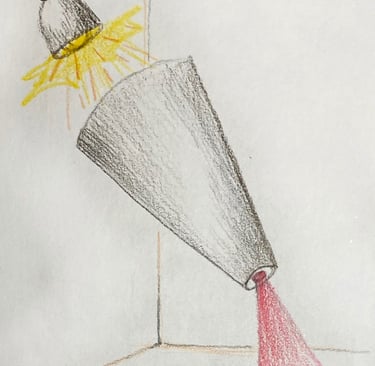
It consists of a cone with a piece of colored glass affixed to the smallest point. It’s designed to project colored light onto a pinpointed area by shining sunlight or artificial light through the larger end of the cone.
He lists a variety of different combinations of colored light as treatment for physical ailments. He focuses mostly on corporeal ailments versus mental ailments.
color solarium
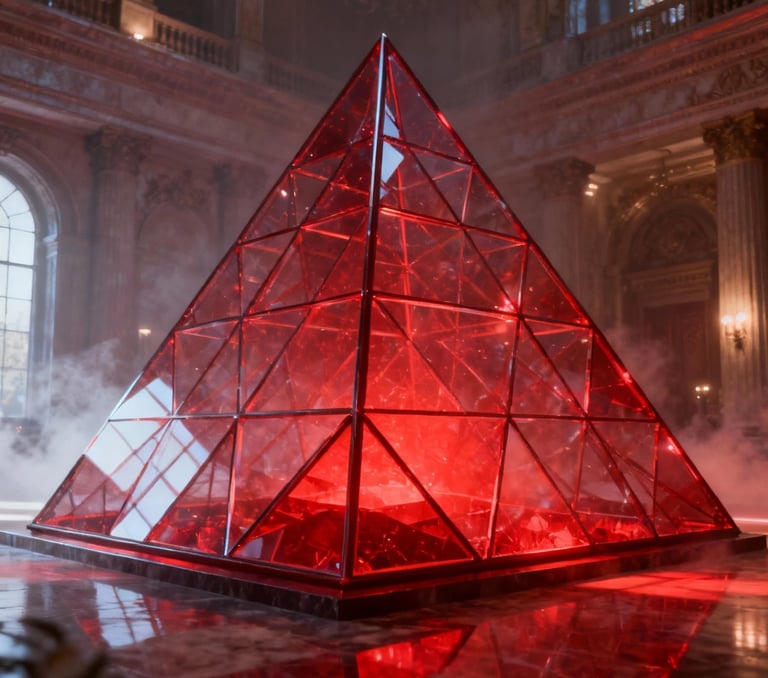
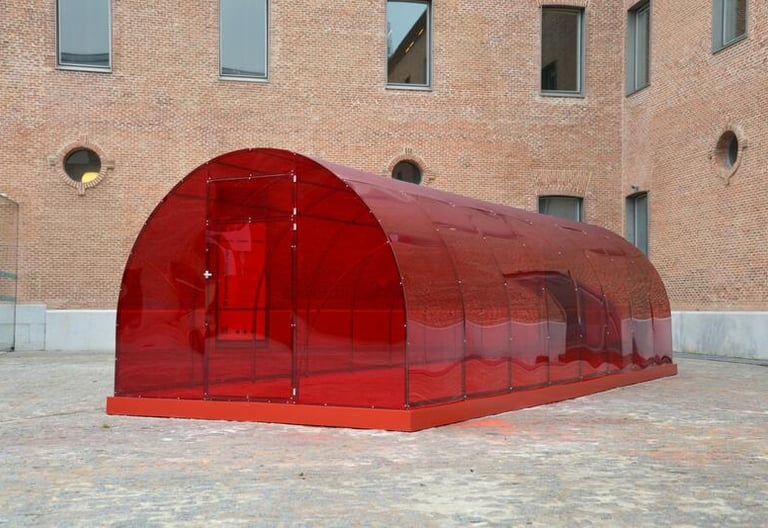
Color therapy is traced as far back as Ancient Egypt and is woven into the magic and mysticism of the time with claims of immersive color rooms to treat ailments and foster general well-being going back as far as 1500 BC. Similar practices are claimed to have been present in Ancient Greece. The concept of the literal solarium, a room made of single-color glass, is discussed as an idea in both cultures but not verified to have existed in either.
In Egypt, they had their own catalog of colors and their associated uses for certain ailments. Rooms were painted entire colors, or crystals, like sapphires or rubies, would be placed in windows or light openings into the room. This allowed the light to pass through and shine the specific color into a specific spot in the room. People were then instructed to sit in these full color rooms or under the light from the crystals.
From thehouseofrolf.com: “One of the earliest recordings of colour therapy can be found in ancient Egypt. The Egyptians used coloured solarium rooms to expose individuals to specific hues that were considered to hold therapeutic purposes. Each colour was believed to carry healing energy to treat specific ailments.
Using sunlight passing through coloured glass or gemstones, they could transmit the energy and healing properties of the colours onto the body.”
sistrum
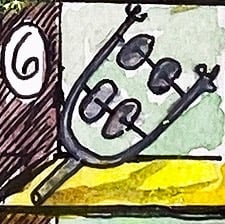
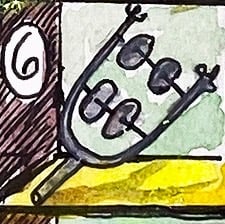
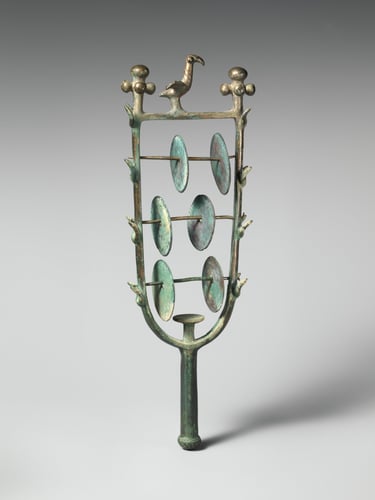
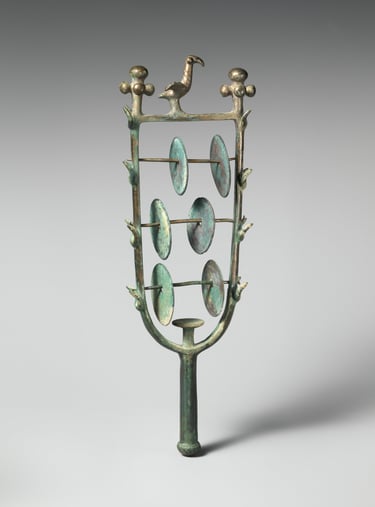
One sound healing instrument commonly used within the ancient world was the sistrum, an idiophone most similar to a rattle. It was made of metal or ceramic, creating a rhythmic jingling. Its use is connected to the worship of Hathor in Ancient Egypt, claimed to be used for dances, fertility rites, to ward off evil spirits and for general protection. It is also claimed to “open the heart center”.
Its historical record is first noted in the 4th Dynasty of the Old Kingdom in Ancient Egypt and is found on the relief of the tomb of Nunetjer in Ancient Egypt. Its presence is seen in Ethiopian, Minoan and Greek civilizations, and rattles in general are used in spiritual healing practices for protection or spiritual cleansing throughout history in cultures around the world.


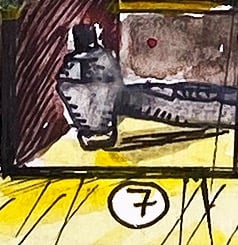
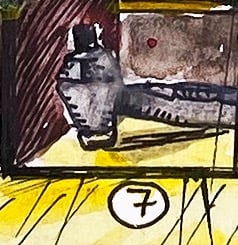
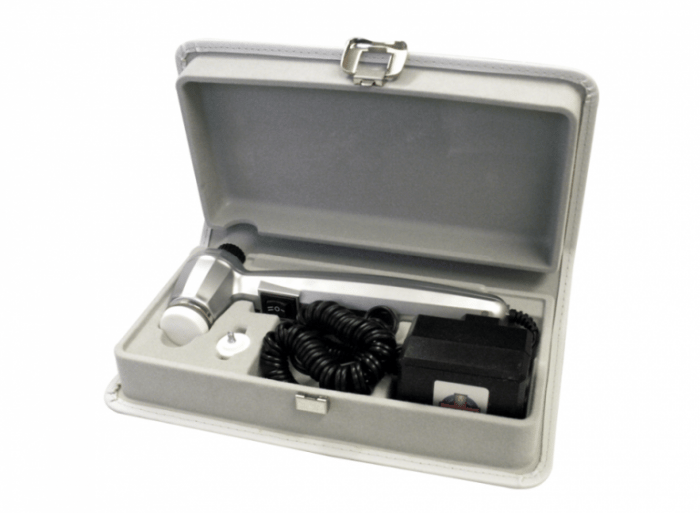
This is an early technological sound healing device developed by German scientist Erwin Schliephake in 1928 that is still in use today. Some sources on the internet claim he is the first to notice that sound accelerated healing.
The device itself is shaped like a little hammer-shaped vibrating device that emits intrasonic sound waves and is placed on pain-affected parts of the body and is often used for joint pain.
From their website: “Novasonic Therapy uses a specific part of the intrasonic range which has been found to have the optimum frequency and power to create the ideal resonance in human tissue.”
novasonic device



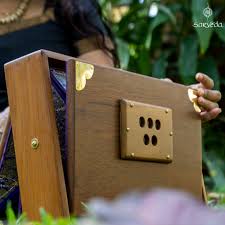
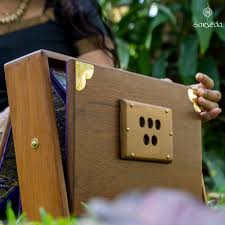
shruti box
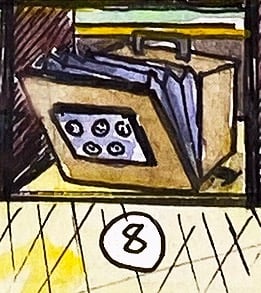
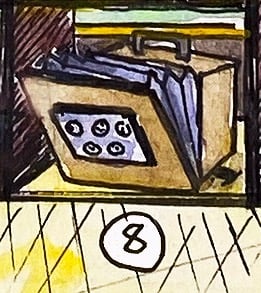
The shruti box is a portable drone box - a small, hand-pumped free reed aerophone related to the harmonium that only produces a continuous drone in a single key. It generates vibrational sound that can fill a room, using pumped air to activate the vibrations of the free reeds.
The shruti box was initially used in Indian classical music to assist with vocal toning and as a backdrop for vocal soloists, as well as in chants, ragas and kirtan singing. It comes from the Indian subcontinent, with its origins likely being related to the Chinese sheng, a free reed pipe instrument.
Its use expanded to the West and is popularly used in a variety of methods for sound healing, such as as a background sound for yoga or meditation, or in immersive sound baths. It produces a room-filling drone that vibrates. This is the primary instrument used for this thesis.
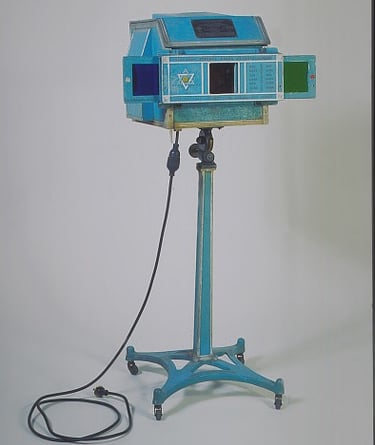
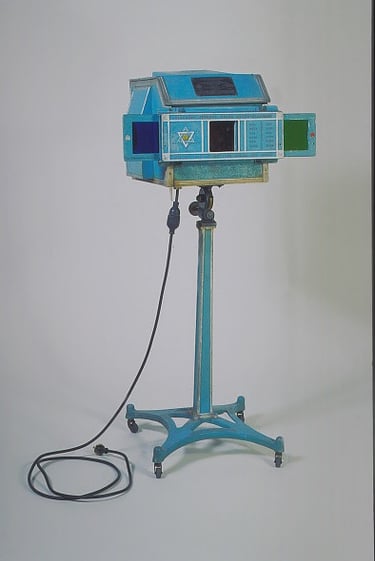
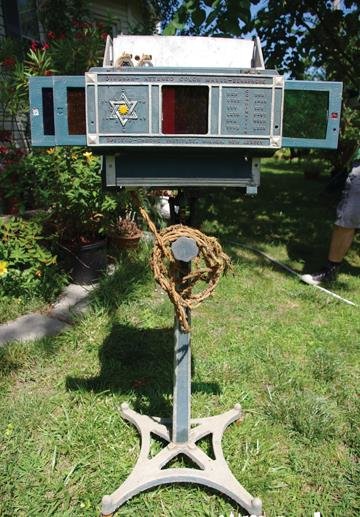
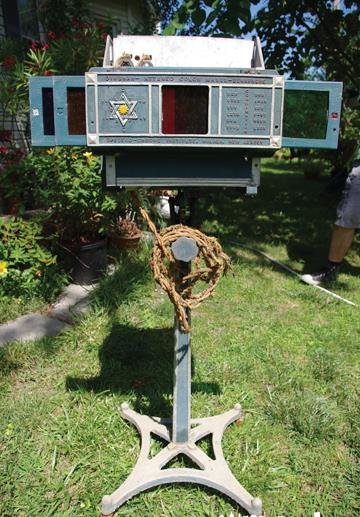
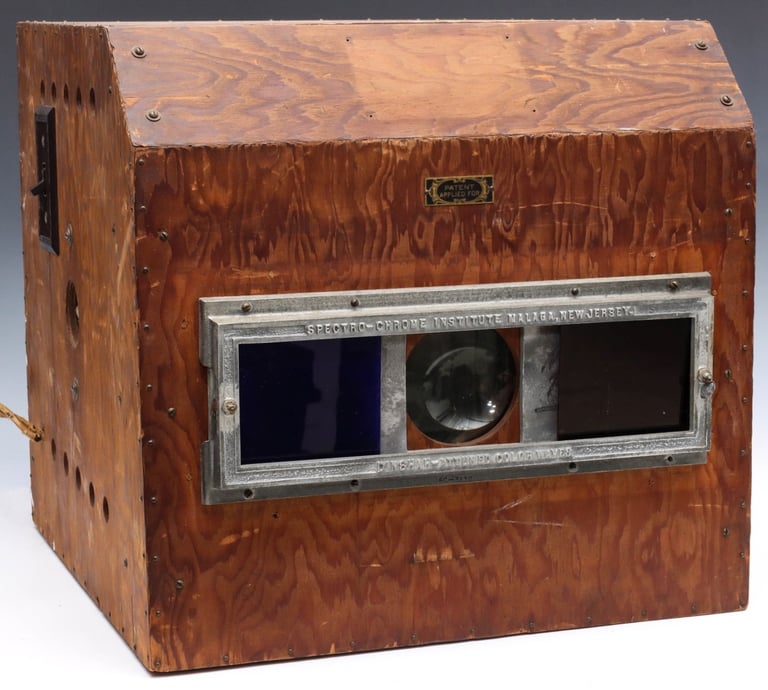
This is a device created by inventor Dinshah Ghadiali in 1920 as an alternative healing therapy using the visible light spectrum which projected colored light onto an affected area the body. The claim was that this machine could heal everything with its 12 colors.
Certain colored light frequencies were associated with certain elements (like oxygen, nitrogen etc), and that colors were to be balanced with one another to maintain physical health. Ghadiali, like Babbitt, believed that certain colors were connected to specific body parts and he created his own extensive system.
The machine itself was made of metal, a 1000 watt light and colored glass filters. Ghadiali later was called a fraud by the American Medical Association and faced several larceny charges for this product as many buyers claimed it did not work.
the spectrochrome machine


© Anna Laura Hafner Studio 2004-2026
All Rights Reserved
Questions? Contact:
=P